I wanted a further way to represent digits 00 to 99; and a separate memory interest is the memorisation of history.
This got me thinking that it would be a nice system to have 100 periods in history - and to give each of them a person image. That person could be imagined narrating about that period in history or be imagined at a scene in history to give a sense of where on the timeline it occurs.
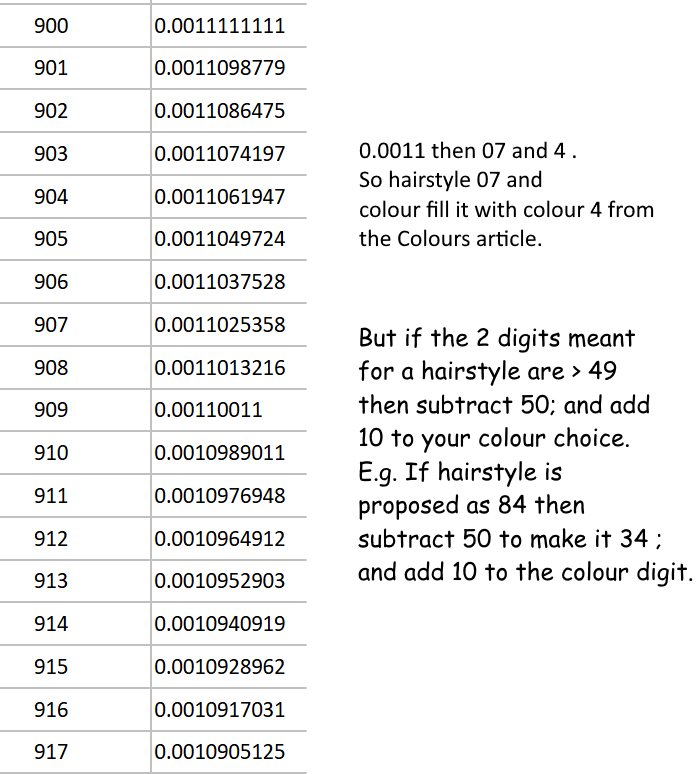
Note: The hair in the AA to ZZ Heroes article is meant to encode reciprocal decimal information; and I wanted these 100 history people's hair to be encoded reciprocal data for 900 to 999: to continue further with the other reciprocals work. So hair style and hair fill matter (see the articles on Colour and on Hair styles).
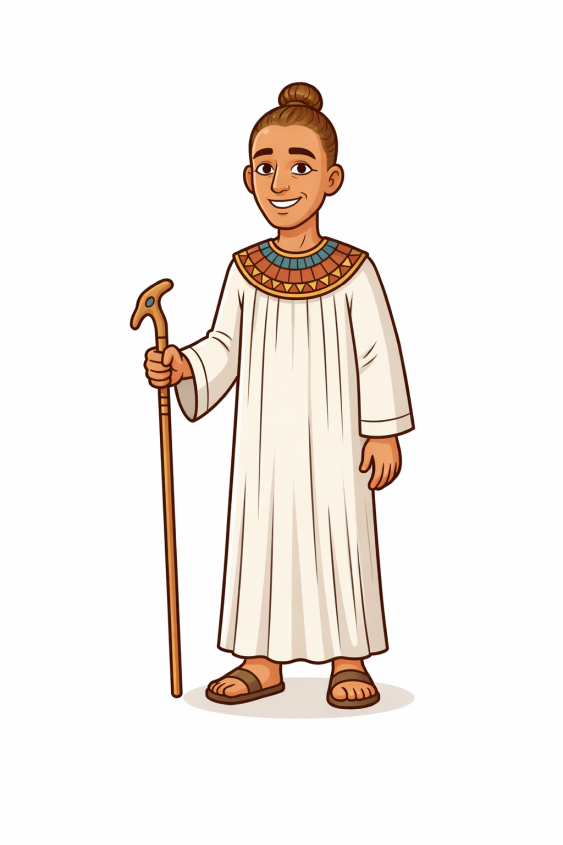
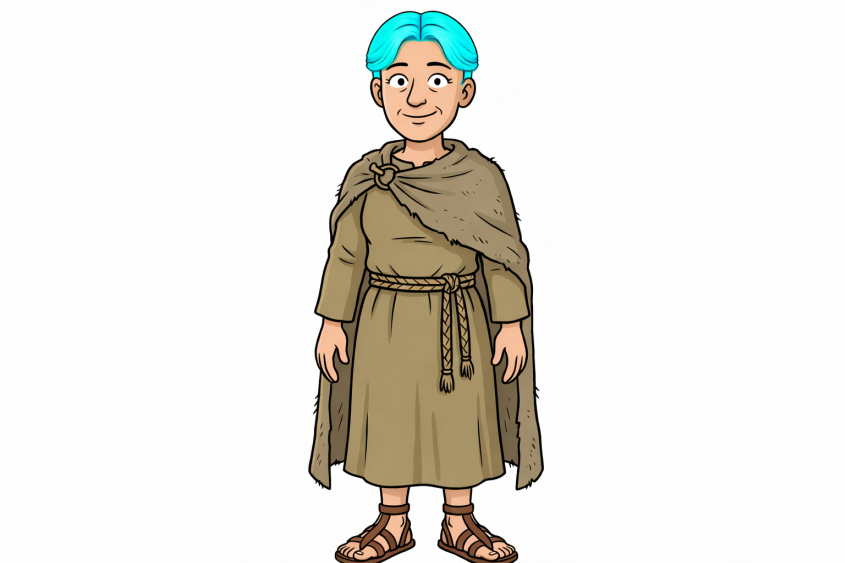
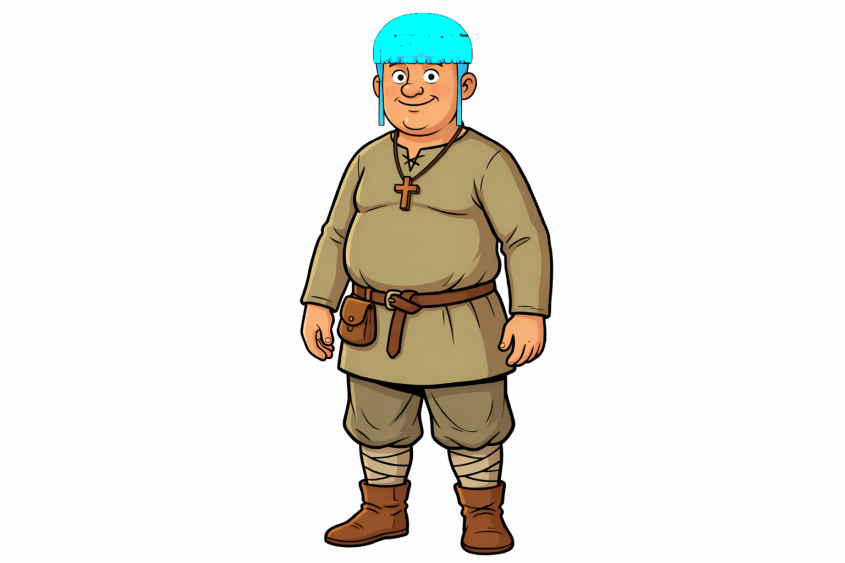
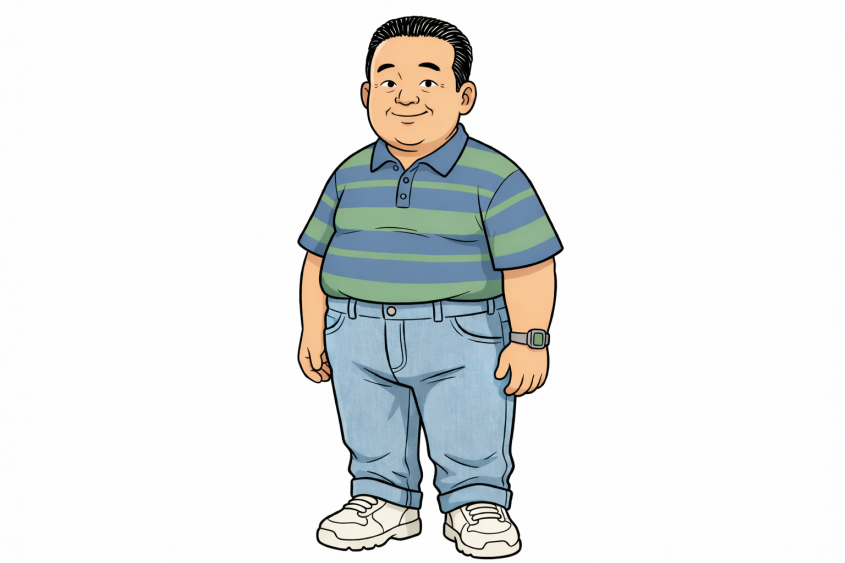
This is the History People table of 100 cartoon people:
I thought that I could give the History 100 people surnames so that imagining the Collins one next to someone you meet named Mr Collins acts as a way to remember his surname. The surnames listed below are considered to be very common in some parts of the world.








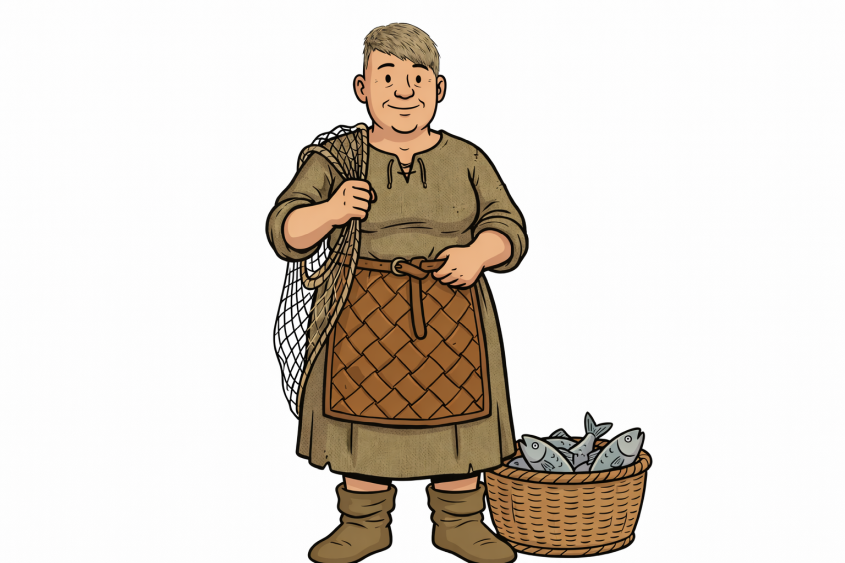


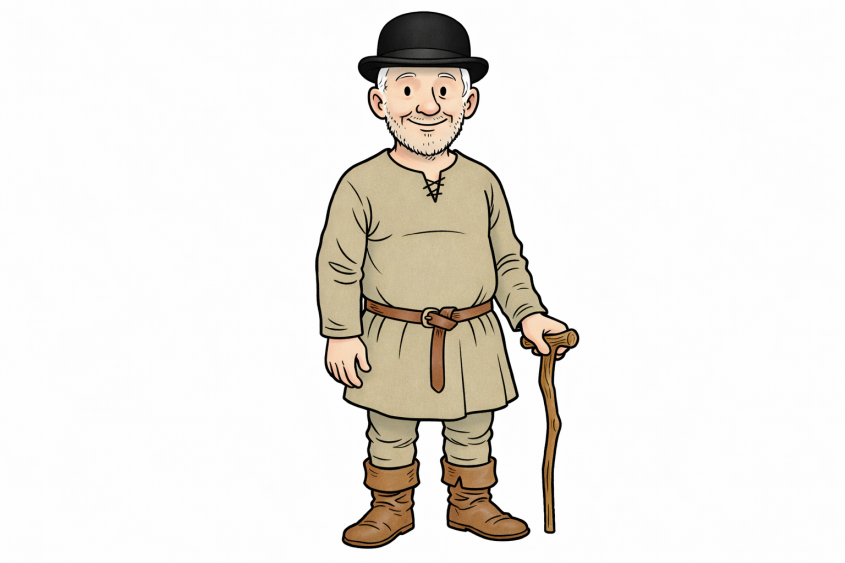

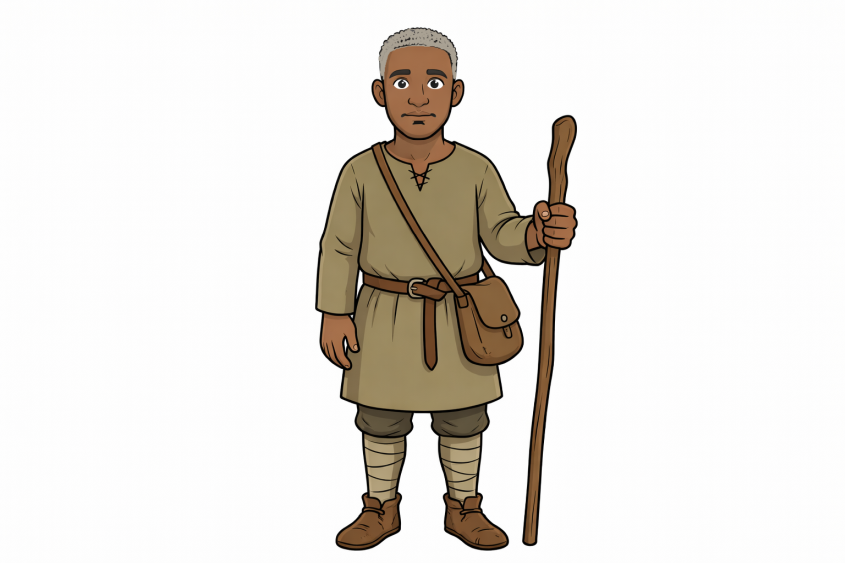


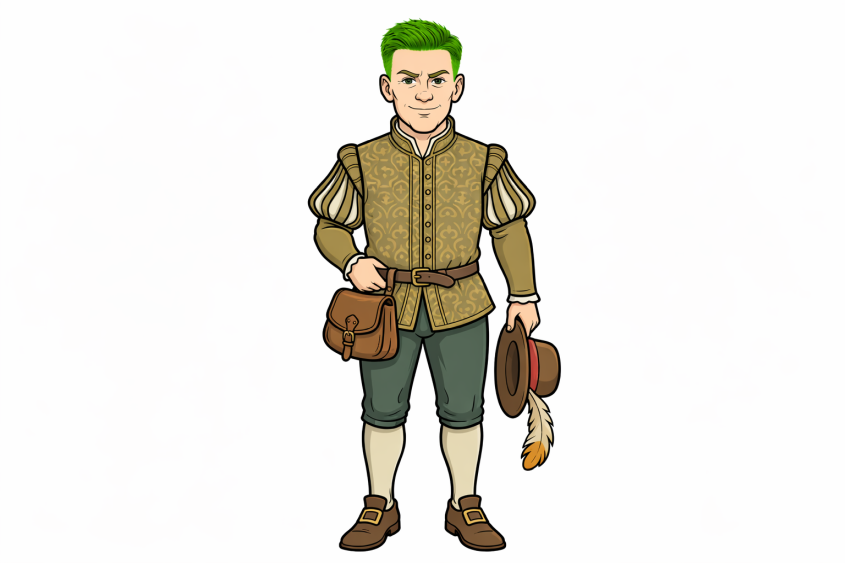


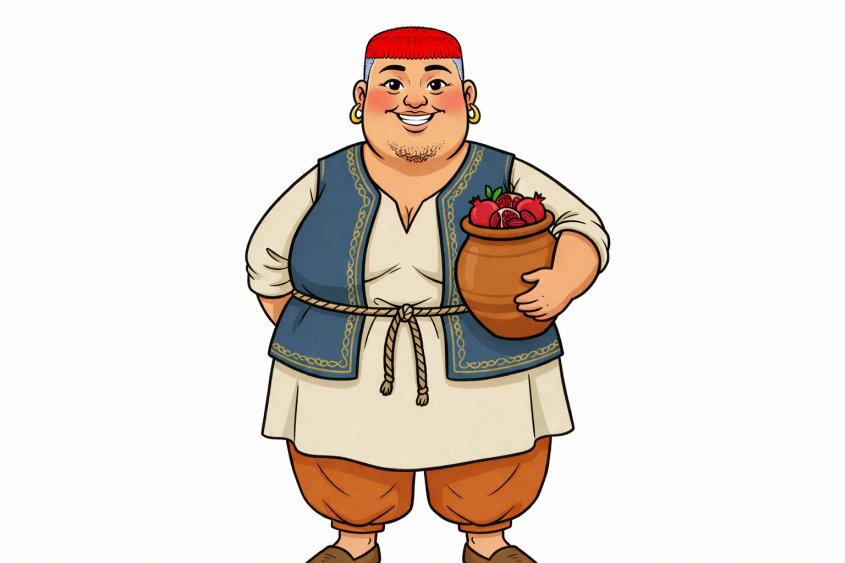

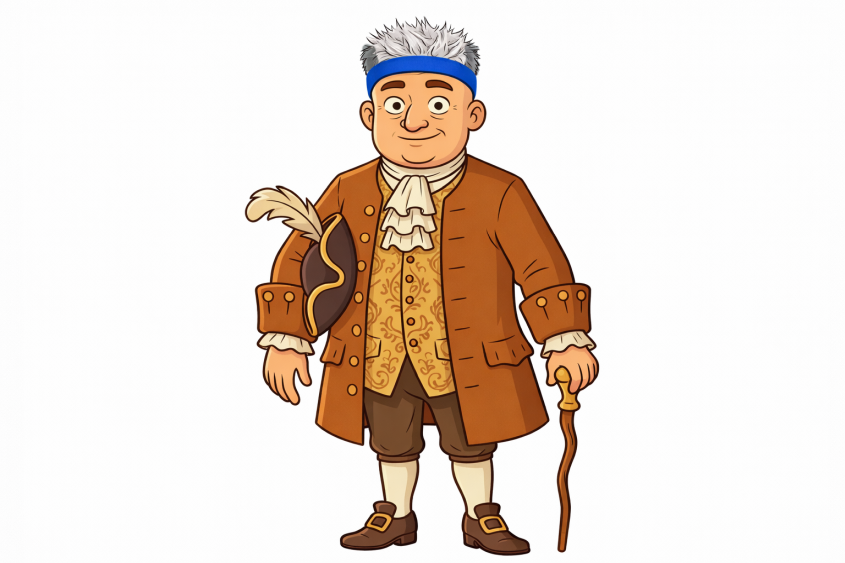
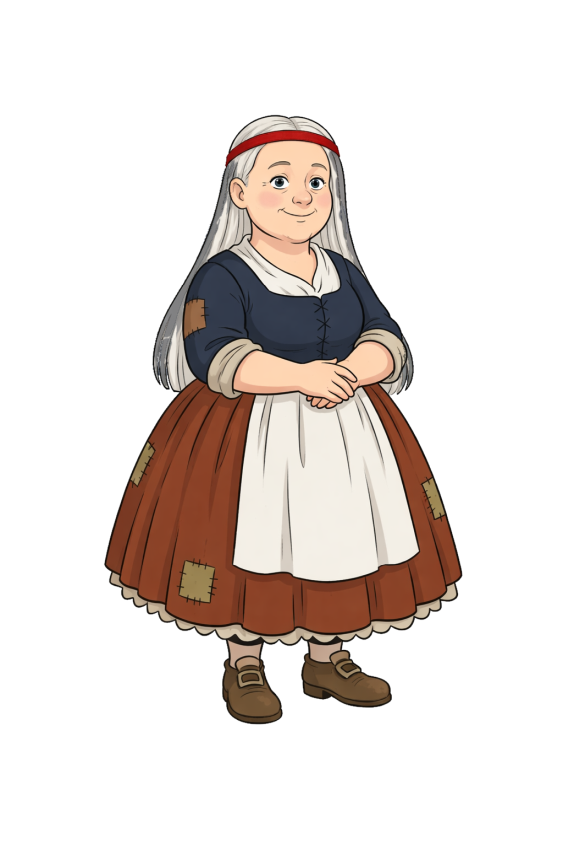

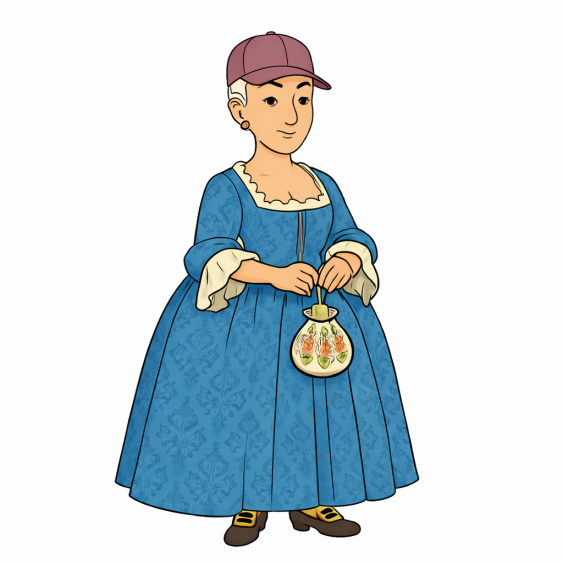

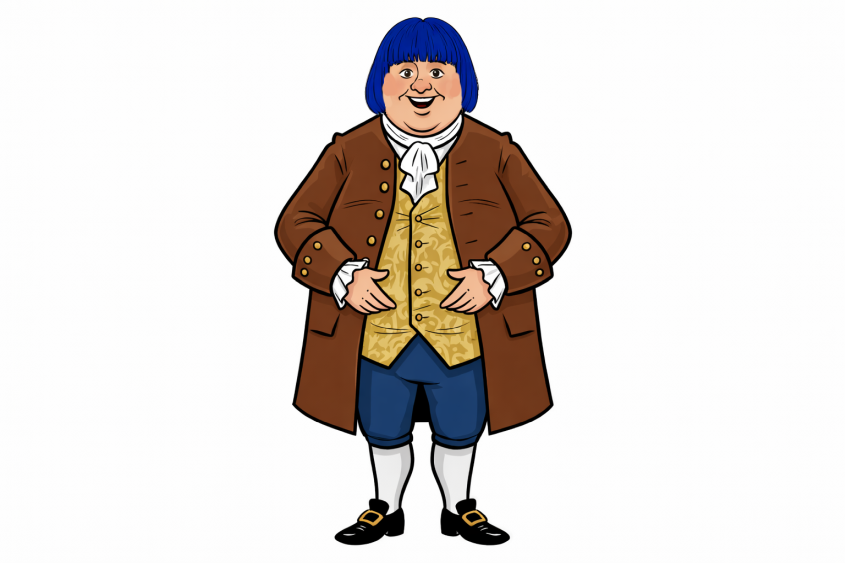


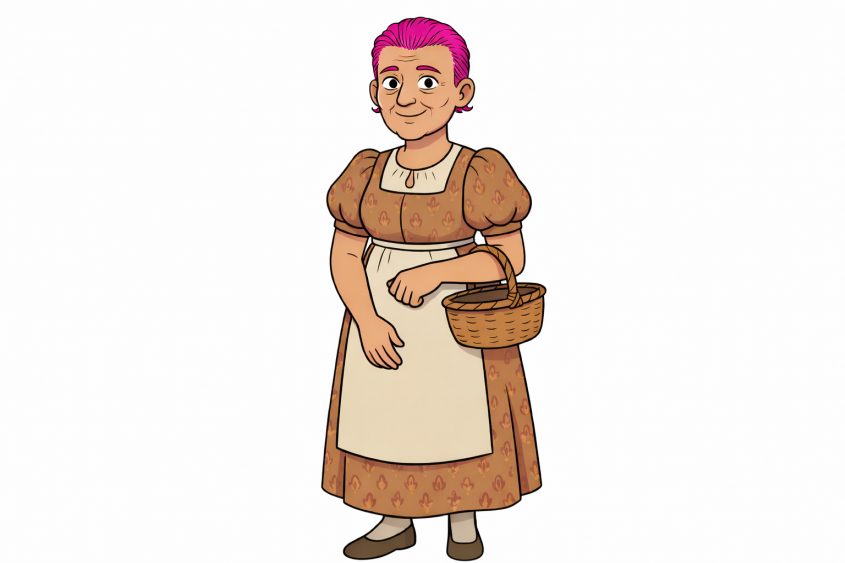


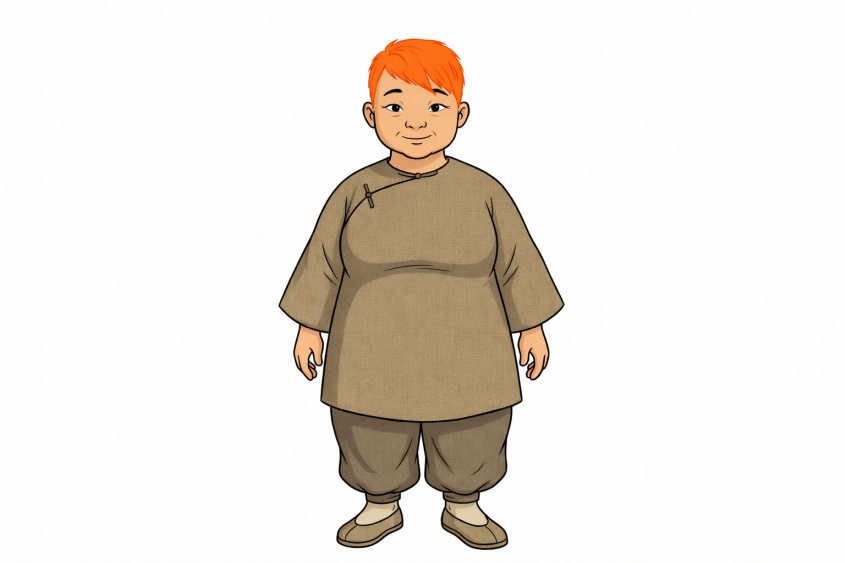

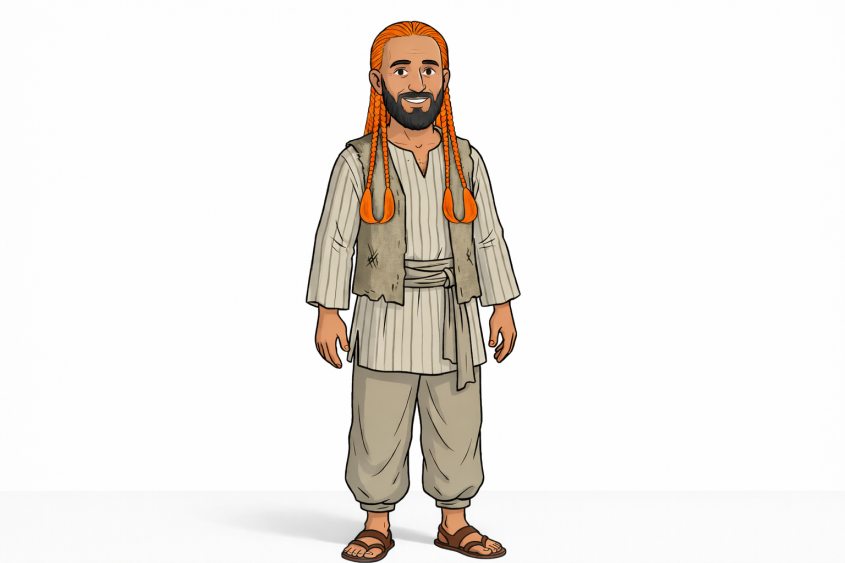




Double Digit Acrostics Use
The Double Digits Acrostics article explains how monarchs of British History could be imagined as icons in scenes with some of the History people. It is a way to roughly know the period in history that the monarchs were reigning.
Single Digit Acrostics
I know that the Battle of Cullodeninvolved modern soldiering. M = 4 in the basic acrostics system and S = 6. So "Modern Soldiering" can represent the event and also indicate digits 46 (M = 4, S = 6 in the acrostocs article). So 1746 can be memorised as the year of the battle.
Centuries
If you are recalling a peg list of facts and you want to store a 4 digit year then one way would be to have twenty images for 20 centuries: you can imagine 1921 as the image for century 19 and you would know that the next peg (holding Person 21 of the 00 to 99 person system) is the year.
0001 AD will have a 00 century person so that 1AD can be stored as 00 at one peg and 01 at the adjacent peg.
Here are history people who I would consider using to visually represent 00 to 19: 20 centuries:
00 Augustus

01 Cai Lun (invents paper type practical for mass production)


04 Confucius

05 Justinian I

06 Wu Zetian

07 Charlemagne


11 Genghis Khan

12 Edward I


14 Christopher Columbus (a person from the 1400s is asscoated with century 1400-1499)


17 Isaac Newton


Visualising King Henry VIII of England
I have seen historical dramas on television which give me a good idea of what King Henry VIII looked like.
But I like the idea of making use of the huge number of cartoon people and other people images of this memory system.
When I read a paragraph about an historical event, I try to imagine the characters but it is not very vivid because I do not know what people from a thousand years ago looked like, etc. If I could use the cartoon people and some of the 5000 faces of one of my memory systems then I could make a scene with distinct faces in; and that might be a strong way to memorise history - even though the faces are not the faces of people from the events in history. I can think of them as actors playing roles despite not meaning to be physically accurate representations of real people; or sometimes a narrator character.
Also see my History Face Builder article.
Maths decides a face
For the new History 100, hair style starts off recall of the reciprocal [but ignore leading zeroes and ignore the 10 or 11 that comes after the leading zeroes]. Hair styles from 1/900 to 1/999 have a 0.0011 or 0.0010 beginning and then I am interested in the next three digits: two digits as a hairstyle choice and the third digit as a hair colour. That works fine for times when the two digits are less than 50; if the value is over 50 then subtract 50 from it. E.g. 0.0010845987 has 845 in it that I want to become a coloured hairstyle; but 84 is not <50. So subtract 50 to get hairstyle 34; then add 10 to the colour 5 digit so that colour 15 of the Colours article is used to colour fill the hairstyle.