

The bottom of this article has thoughts on memorising prompts for recall of books and chapters and parts of chapters.
main part of this article is about using images of Shakespeare characters.
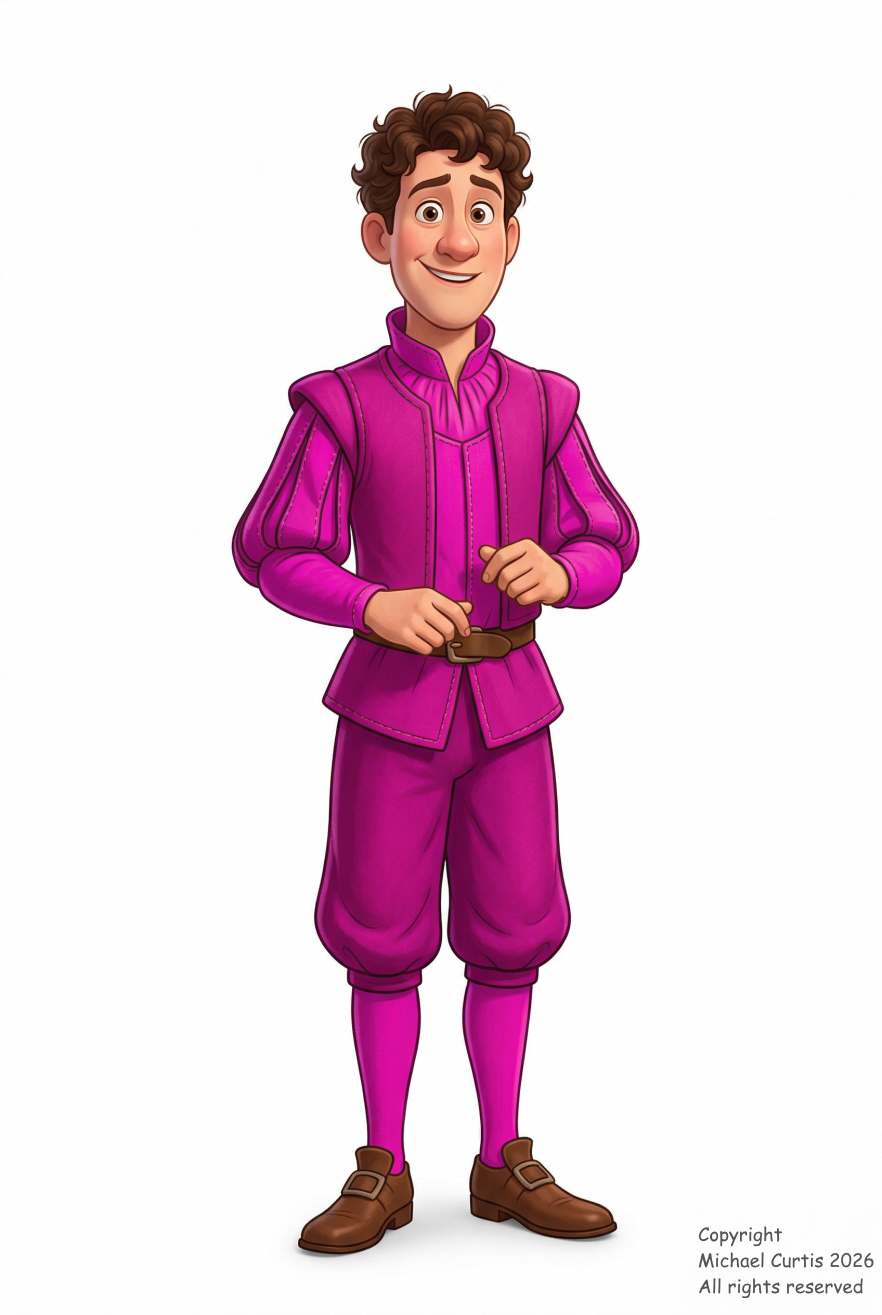
1. To extend an existing system. In 2026, I made a lot of SHakespeare character images in order to express some 3 letter combinations involving the letter 'L'; but I have decided not to do that now; even so, you can see the image I made, below.
2. To extend the Animal Person 520 image system. That animal person system uses a letter and a digit or a digit and a letter to name different cartoon animal person characters. But when I wanted a 30 letter system, I added in CH, SH, TH and ZH as if they are letters but I lack images such as SH3 or 3SH. I need 4 lots of ten images times two in order to satisfy all the new combinations.
Shakespeare Characters
A Comedy of Errors
- L-EO (Officer)
- L-EI (fIrst merchant)
- L-EA (Adriana)
- L-EE (Egeon)
- L-EU (dromio of syracUse)
- L-EN (Nell)
- L-ES (Solinus)
- L-EC (The Courtesan)
- L-ET (anTipholus of syracuse)
- L-ER (balthazaR)
- L-EL (Luciana)




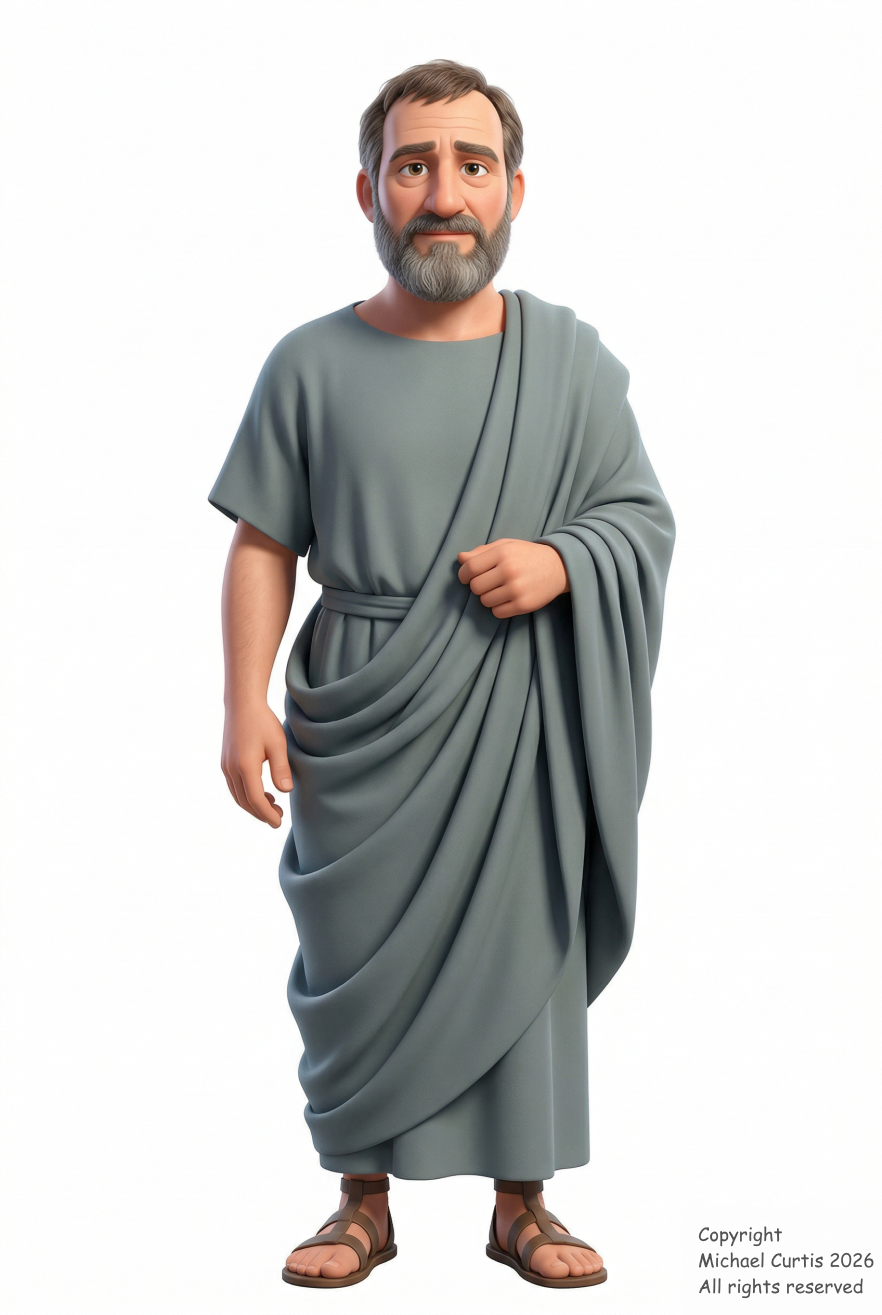
Antony and Cleopatra
- L-CO (Octavius Caesar)
- L-CI (Iras)
- L-CA (mark Antony)
- L-CE (Enobarbus)
- L-CU (Mardian (a eUnuch))
- L-CN (The clowN)
- L-CS (Seleucus)
- L-CC (Cleopatra)
- L-CT (Taurus)
- L-CR (eRos)
- L-CL (Lepidus)


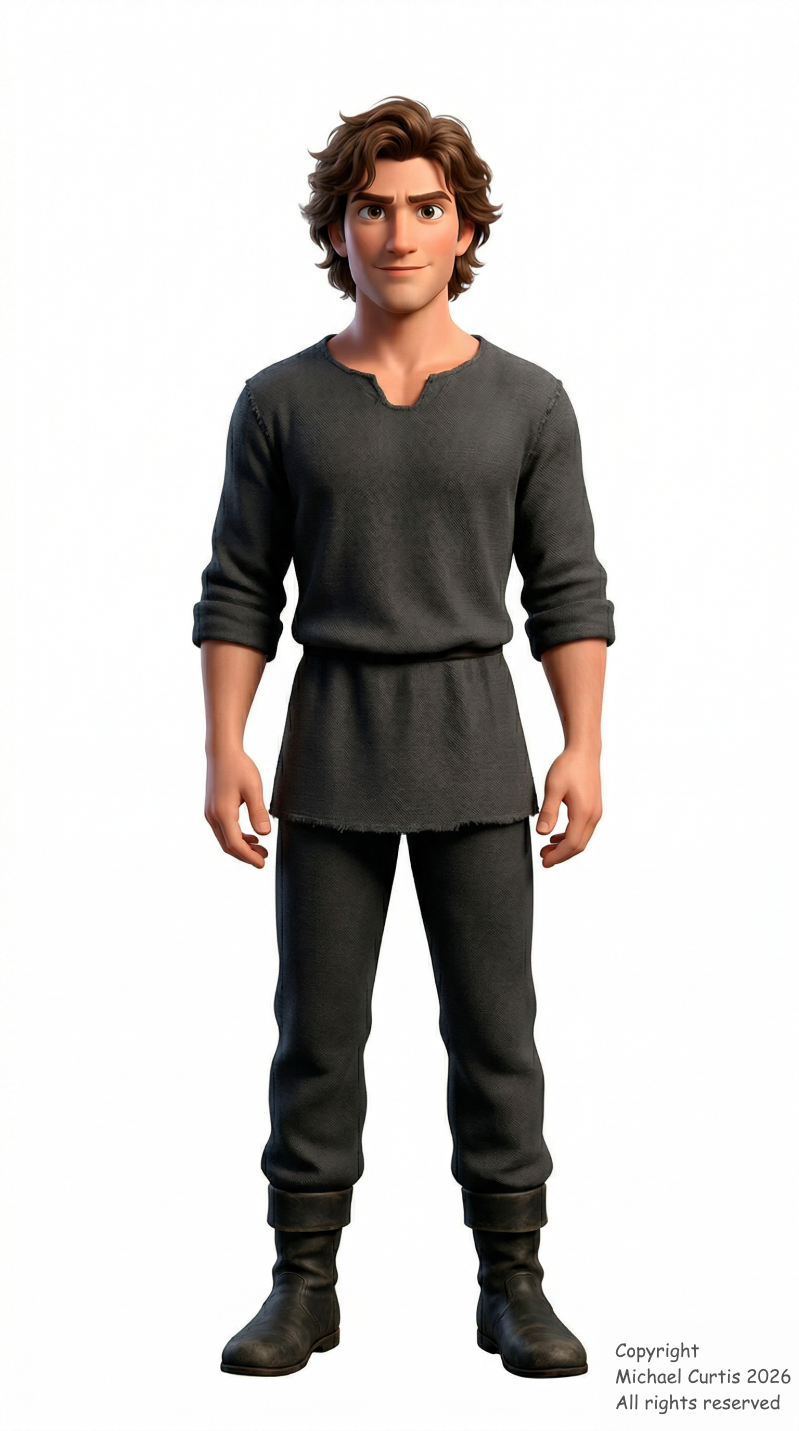
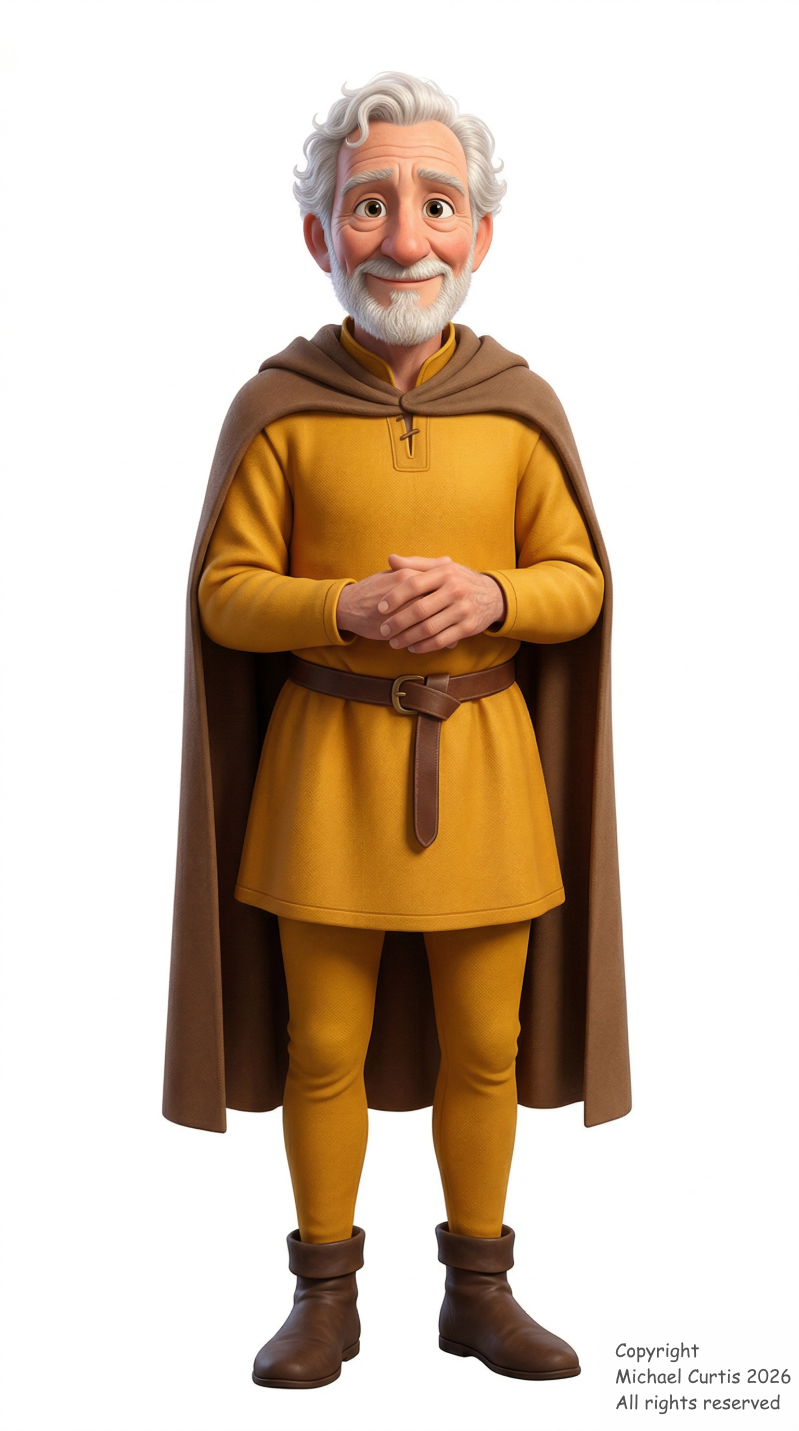
As you Like it
- L-AO (Orlando)
- L-AI (amIens)
- L-AA (Adam)
- L-AE (cElia)
- L-AU (dUke Senior)
- L-AN (hymeN)
- L-AS (Silvius)
- L-AC (Corin)
- L-AT (Touchstone)
- L-AR (Rosalind)
- L-AL (Le Beaux)



King Lear
- L-LO (Oswald)
- L-LI (kIng of France)
- L-LA (duke of Albany)
- L-LE (Edgar)
- L-LU (dUke of Burgundy)
- L-LN (edmuNd)
- L-LS (earl of glouceSter)
- L-LC (Cordelia)
- L-LT (earl of kenT)
- L-LR (Regan)
- L-LL (King Lear)


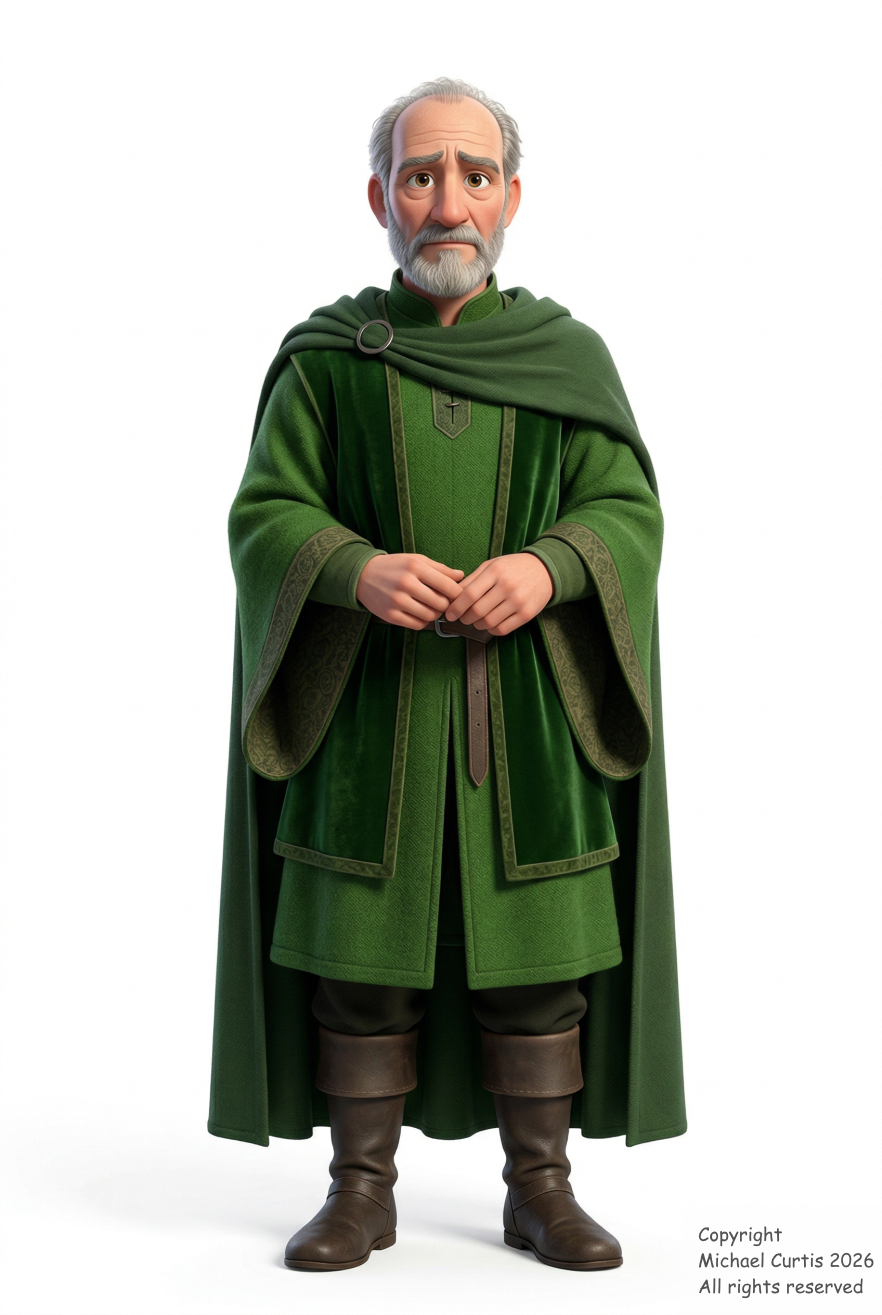


Measure for Measure
- L-UO (mistress Overdone)
- L-UI (Isabella)
- L-UA (Angelo)
- L-UE (Escalus)
- L-UU (pompey bUm)
- L-UN (viNcentio)
- L-US (the provoSt)
- L-UC (Claudio)
- L-UT (friar Thomas)
- L-UR (abhoRson)
- L-UL (Lucio)


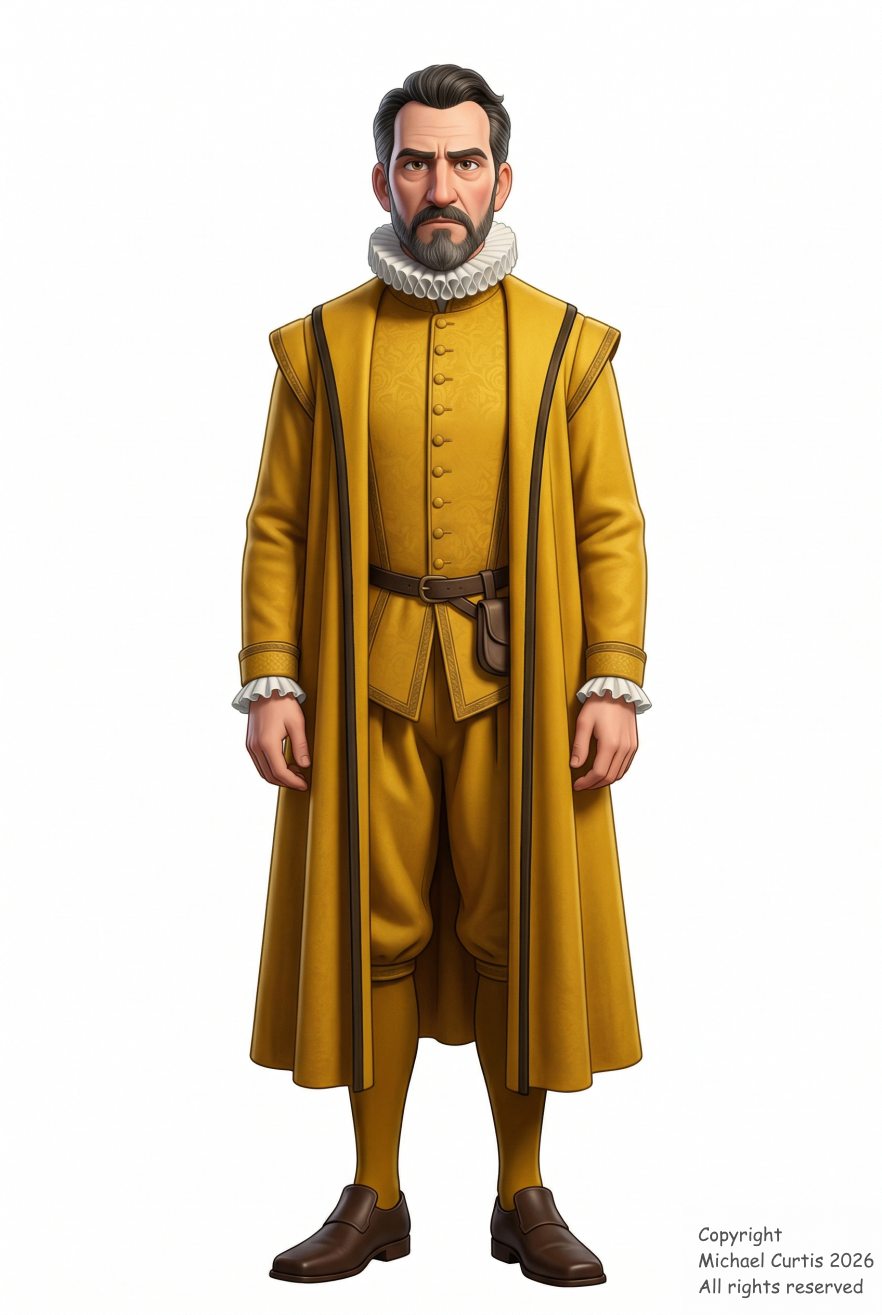


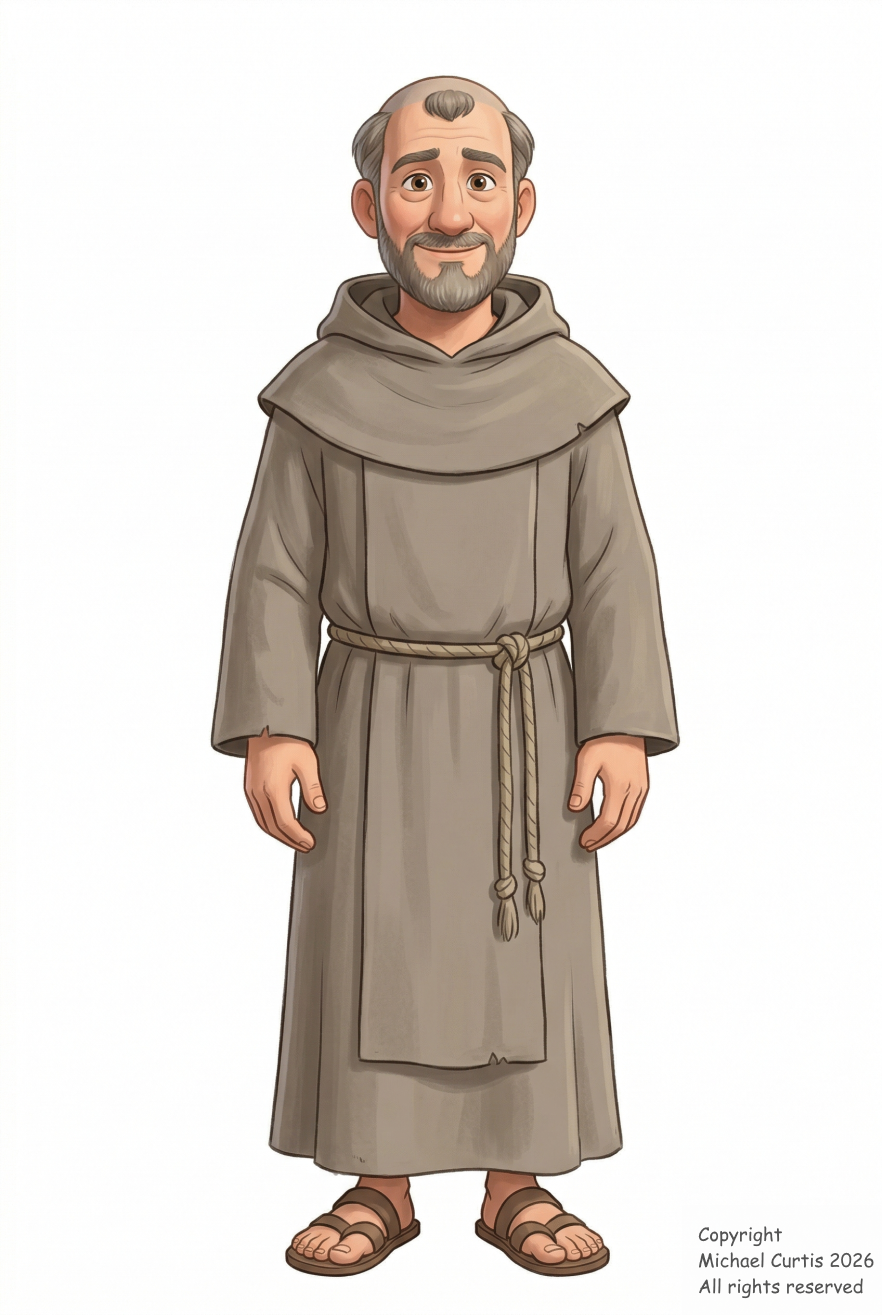


Much Ado about Nothing
- L-NO (dOn John)
- L-NI (frIar francis)
- L-NA (Antonio)
- L-NE (hEro)
- L-NU (Ursula)
- L-NN (beNedick)
- L-NS (balthaSar)
- L-NC (Conrade)
- L-NT (beaTrice)
- L-NR (maRgaret)
- L-NL (Leonato)


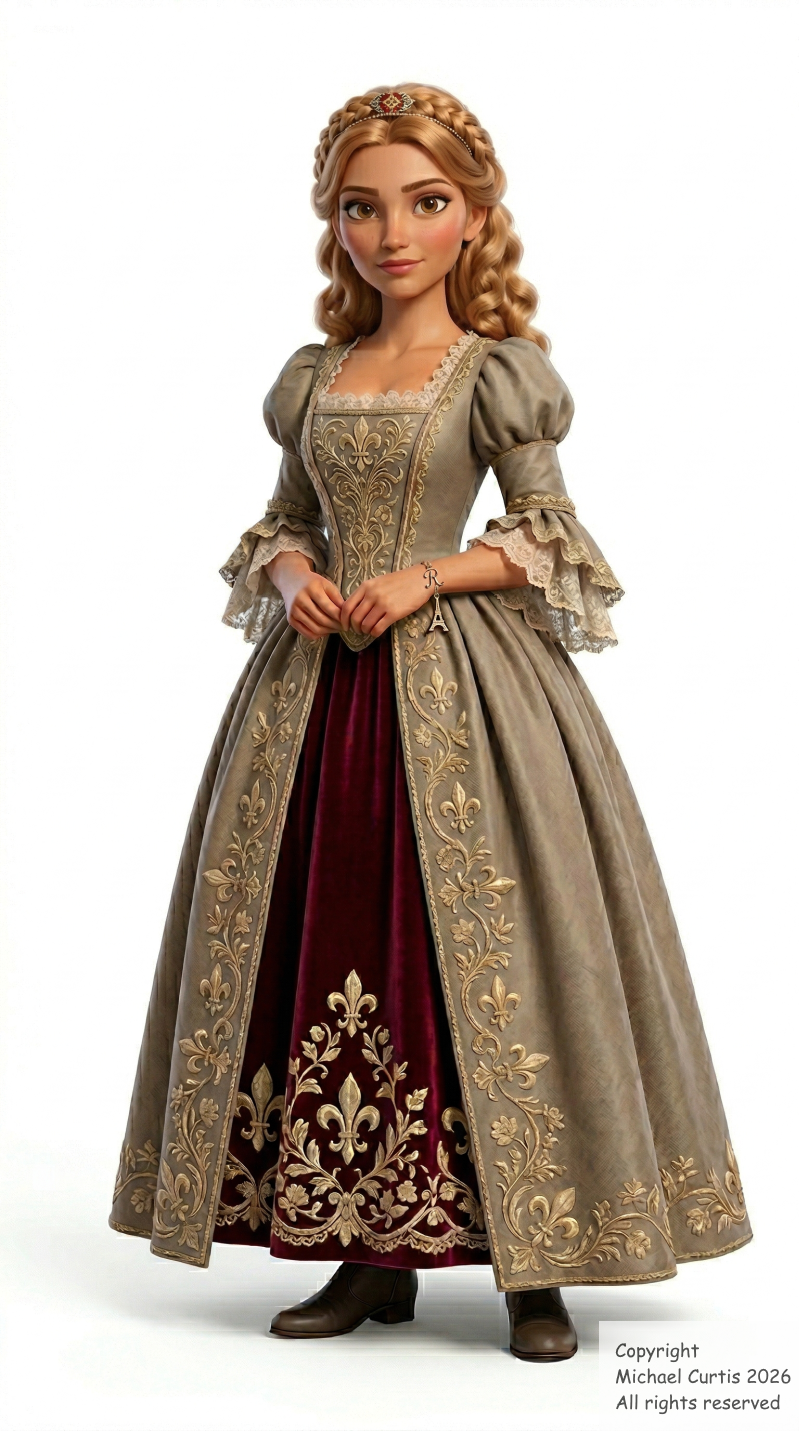


Othello
- L-OO (Othello)
- L-OI (Iago)
- L-OA (Gratiano)
- L-OE (Emilia)
- L-OU (The Duke)
- L-ON (Montano)
- L-OS (Desdemona)
- L-OC (Cassio)
- L-OT (Gratiano)
- L-OR (Roderigo)
- L-OL (Lodovico)


Romeo and Juliet
- L-RO (cOunt Paris)
- L-RI (frIar Laurence)
- L-RA (Abram)
- L-RE (Prince Escalus)
- L-RU (jUliet)
- L-RN (The Nurse)
- L-RS (Sampson)
- L-RC (Lord Capulet)
- L-RT (Tybalt)
- L-RR (Romeo)
- L-RL (Lord Montague)


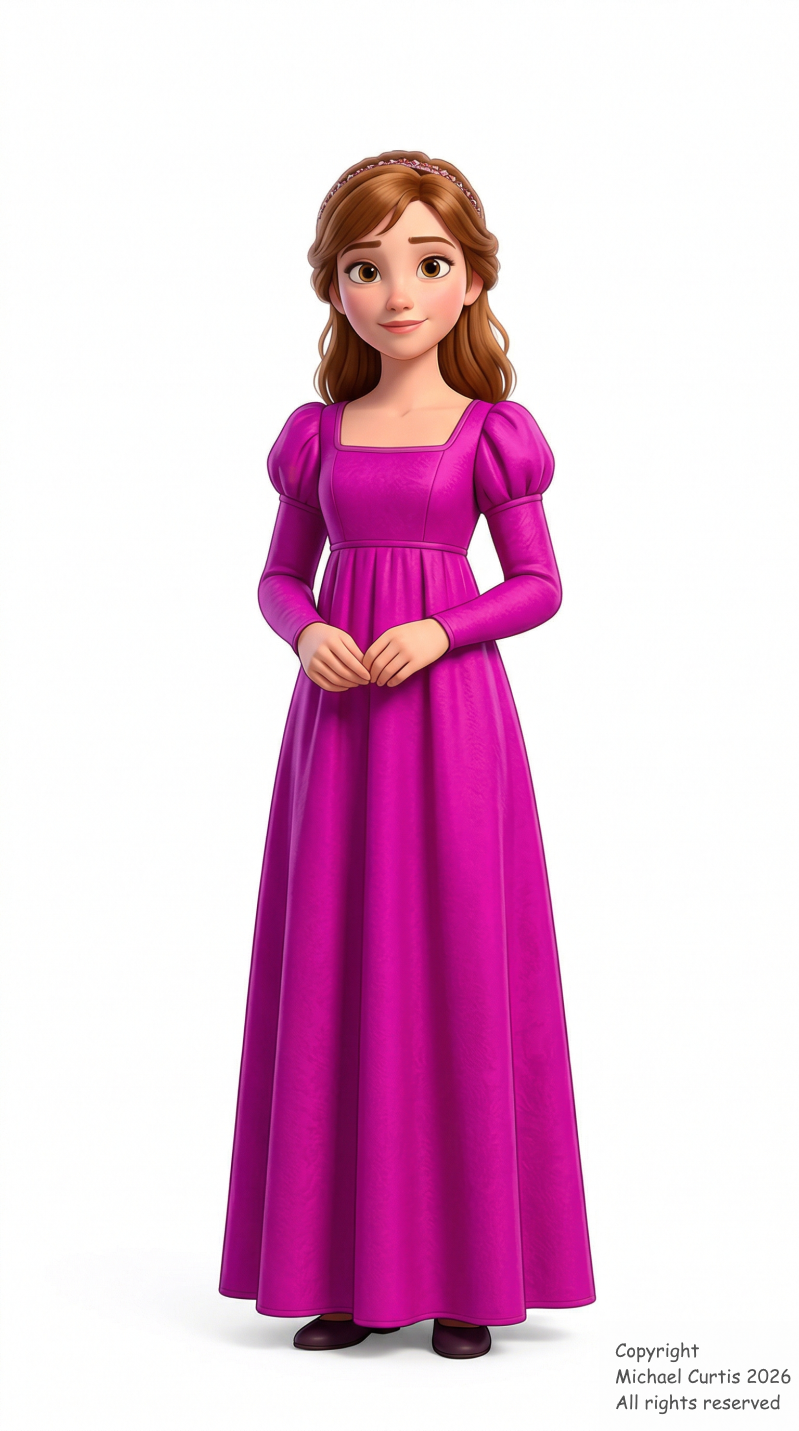


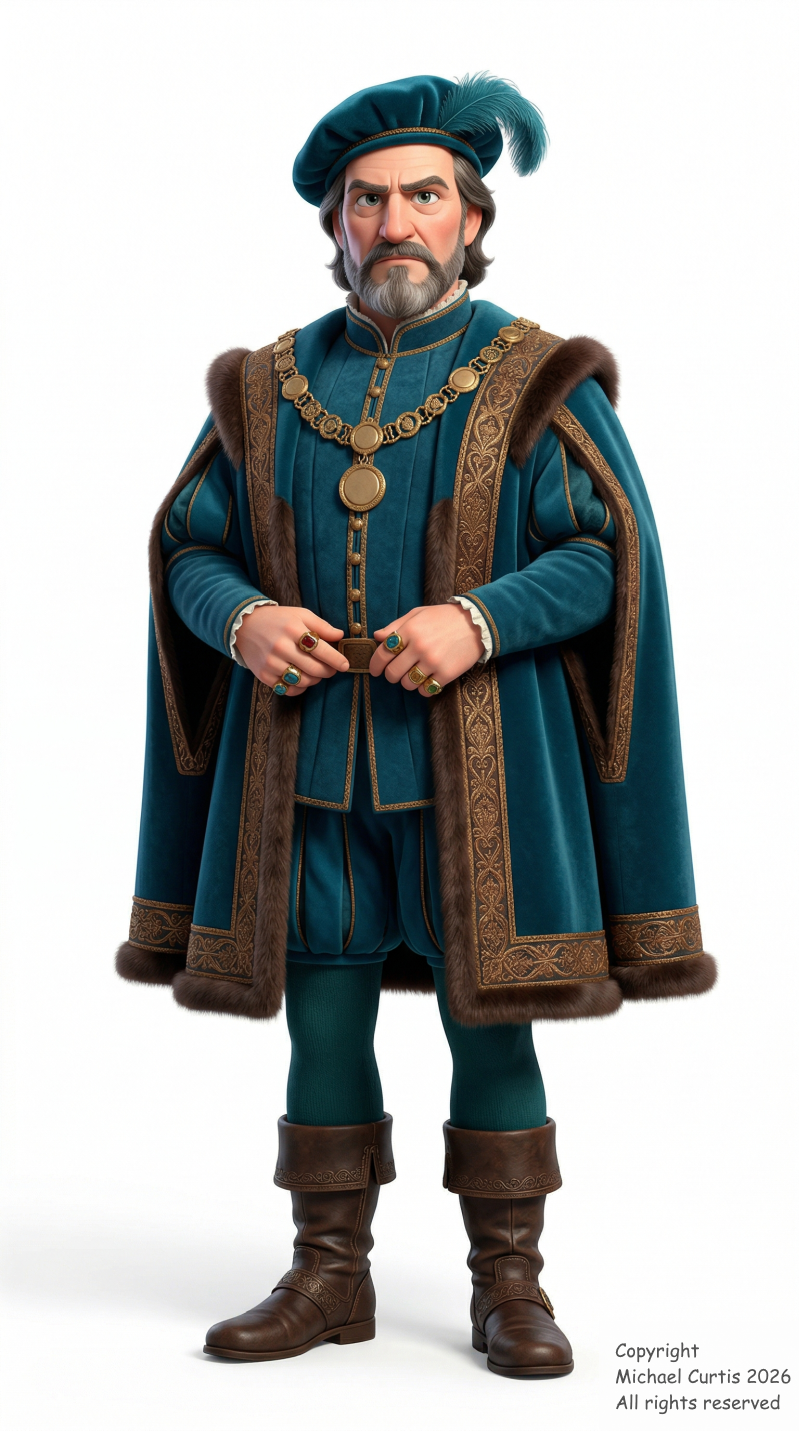


The Merchant of Venice
- L-IO (pOrtia)
- L-II (bassanIo)
- L-IA (Antonio)
- L-IE (the princE of morocco)
- L-IU (the dUke of venice)
- L-IN (Nerissa)
- L-IS (Shylock)
- L-IC (jessiCa)
- L-IT (lanceloT gobbo)
- L-IR (gRatiano)
- L-IL (Lorenzo)

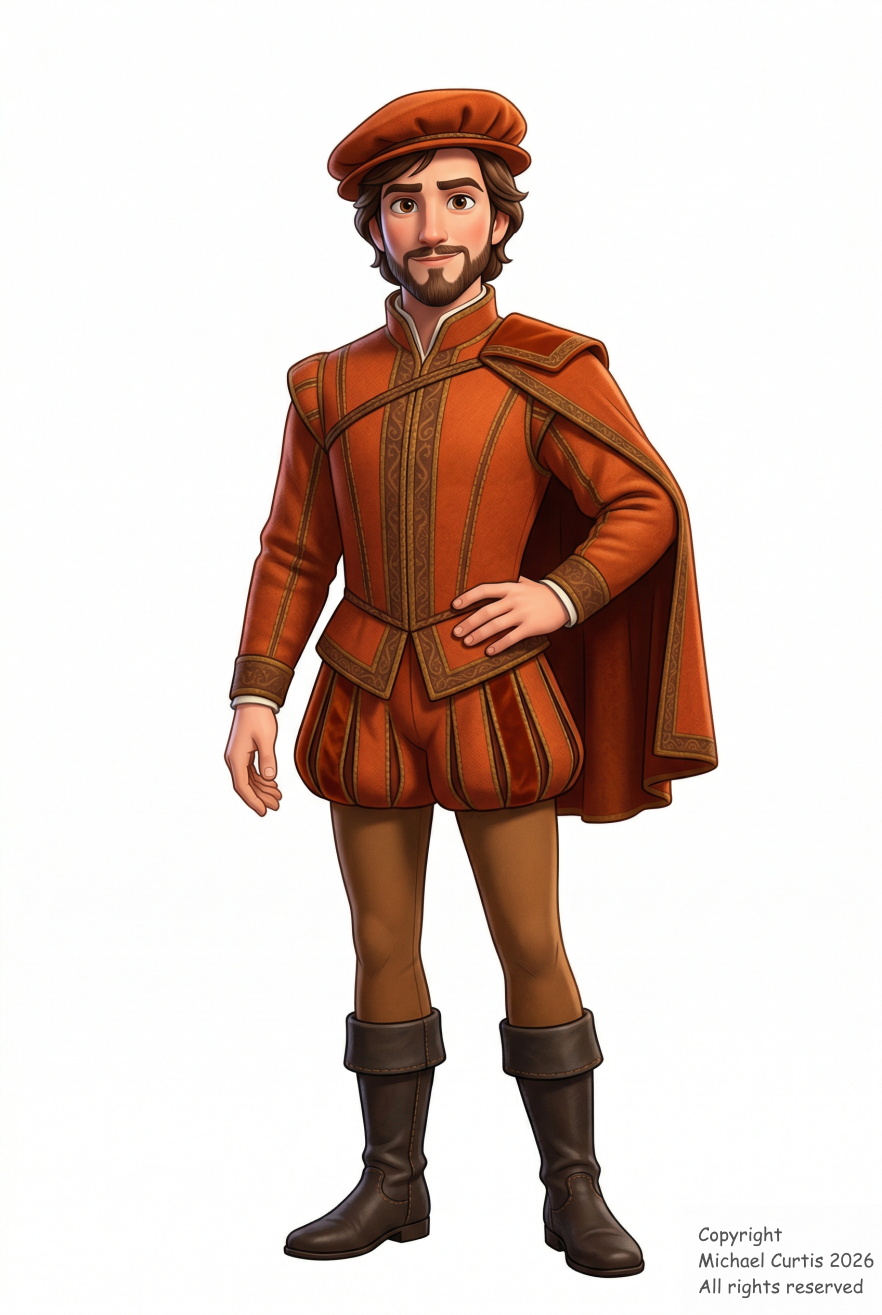


The Taming of the Shrew
- L-SO (hOrtensio)
- L-SI (bIanca Minola)
- L-SA (kAtherine Minola)
- L-SE (grEmio)
- L-SU (grUmio)
- L-SN (Nathaniel)
- L-SS (christopher Sly)
- L-SC (Curtis)
- L-ST (Tranio)
- L-SR (petRuchio)
- L-SL (Lucentio)


Twelfth Night
- L-TO (Olivia)
- L-TI (vIola)
- L-TA (Antonio)
- L-TE (fEste)
- L-TU (dUke Orsino)
- L-TN (Sir aNdrew Aguecheek)
- L-TS (Sebastian)
- L-TC (Sea Captain)
- L-TT (Sir Toby Belch)
- L-TR (maRia)
- L-TL (maLvolio)


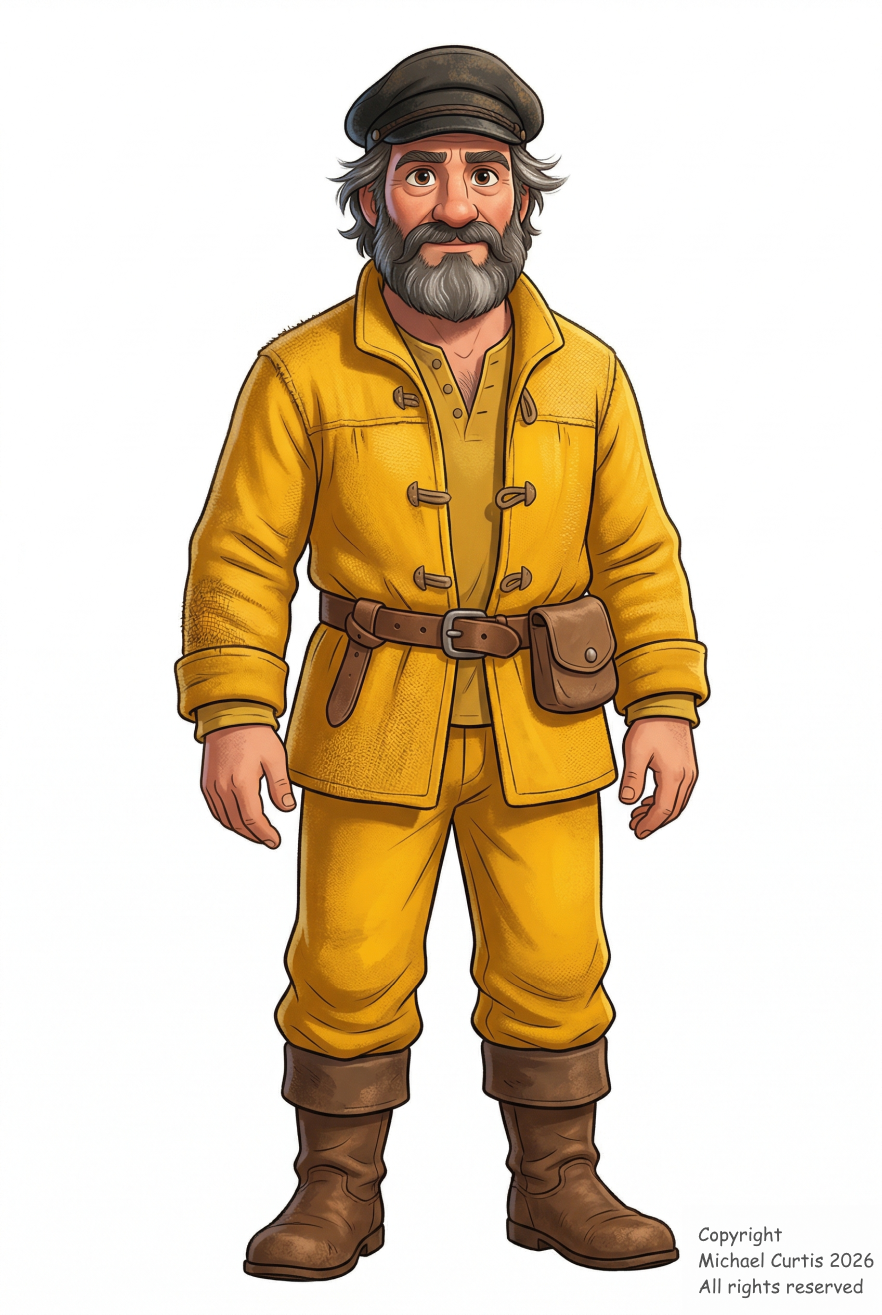


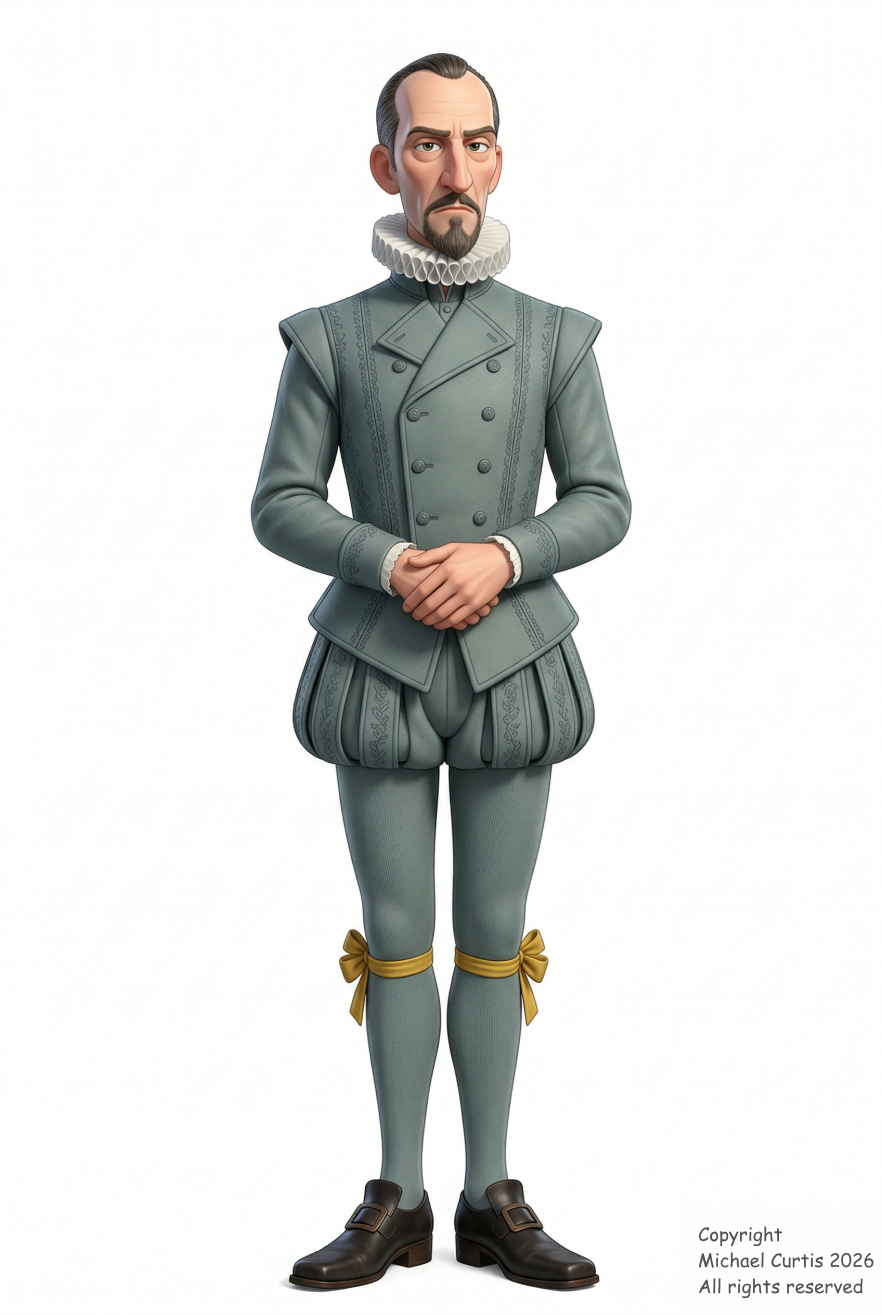
I already have a Male 1000 system design where 3 letter spellings have a matching male image [see the article: Male 1000 Spelling Prompts]. But those triads do not use the letter L. SO I want the new Shakespeare-ispired L-EO person to represent LEO.
Ten images for letters CH, SH, TH and ZH for linking up with the Animal People System; I know that CH is really two letters but I treat these letter pairs as if they are single letters.
The Animal People system was originally able to cover any letter and digit combination such as A0 or P3 or Z9; and it was meant to cover any digit and letter combination such as 2V or 7S or 1Y. However, when I wanted not just A to Z but also CH, SH, TH and ZH to behave like that too, my orginal 520 animal person images needed extending:
Hamlet Characters (CH)
- 0CH (Ophelia)
- 1CH (Francisco)
- 2CH (Hamlet)
- 3CH (Gertrude)
- 4CH (Polonius)
- 5CH (Bernardo)
- 6CH (Osric)
- 7CH (Claudius)
- 8CH (Fortinbras)
- 9CH (Rosencrantz)


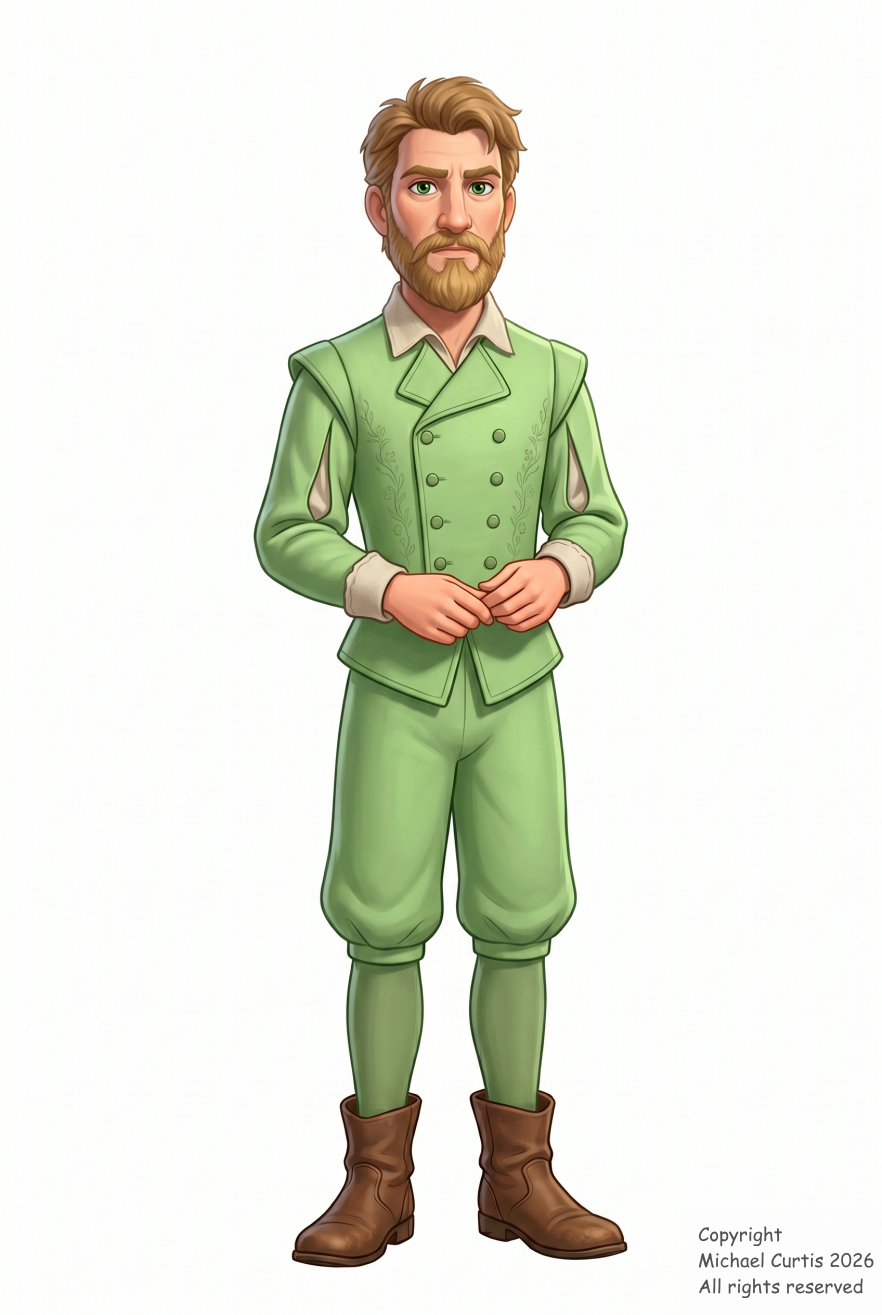
Macbeth Characters (SH)
- 0SH (Donalbain)
- 1SH (Siward)
- 2SH (Angus)
- 3SH (Lennox)
- 4SH (Duncan)
- 5SH (Menteth)
- 6SH (Seyton)
- 7SH (Cathness)
- 8SH (Hecate)
- 9SH (Ross)


Pericles Characters (TH)
- 0TH (Gower)
- 1TH (Dionyza)
- 2TH (Antiochus)
- 3TH (Escanes)
- 4TH (Daughter of Antiochus)
- 5TH (Leonine)
- 6TH (Simonides)
- 7TH (Cleon)
- 8TH (Thaisa)
- 9TH (Pericles)


Richard III Characters (ZH)
- 0ZH (Lord Rivers)
- 1ZH (King Edward IV)
- 2ZH (Lady Anne)
- 3ZH (Edward, Prince of Wales)
- 4ZH (Duke of Buckingham)
- 5ZH (Vaughan)
- 6ZH (Lord Stanley)
- 7ZH (Sir William Catesby)
- 8ZH (Lord Hastings)
- 9ZH (Richard, Duke of Gloucester)


The other 40 people are on my To Do list. E.g. for ZH5, CH3, etc.
Using an Action memory system to prompt lines from a play
Here is an idea that might be useful for memorising particular verses of the bible: With a book of the bible:
Note: A person dong an action on an object has been mentioned a lot in this course already. A particular action can mean a number.
If you have ten standard people to represent a chapter from 01 to 10 then his or her action can mean the verse if the action is between 001 and 119.
If the book has 11 chapters then reuse person 01 but use action 201 to mean verse 1, action 230 to mean verse 30, etc. so as to deduce that the chapter is chapter 11 rather than chapter 01.
If a famous verse can be associated by you with a recall-triggering visual image then you can imagine a story involving the Book-Chapter person doing the Verse-Action to the visual object that should remind you of the verse.
After that, if you want to say the book and verse of the event, you can remember the visual and then recall the action happening to it and who is doing the action.
In that way, the book, chapter and verse are recalled.
A similar approach could be used on Shakespeare plays:
instead of a book's chapter having a person image, an Act of a particular play (Hamlet Act 1, for example) would have a visual person. The scene rather than the verse would be what the action represents.
Or you could treat action 101 as Scene 1 prompt 1, treat action 102 as Scene 1 prompt 2; and then use action 201 as Scene 2 prompt 1, etc.
The recipient of the action needs to be a visual that triggers the recall of what happens at that point in the scene. E.g. If it is a line about frailty in Hamlet then a frail old woman could be the visual; and the scene action is done by the Play-Act person to her.
Any book with chapters could be approached like this.